1099 Tax Form Guide: Types, Deadlines, and Filing Tips
The 1099 tax form is a series of IRS information returns used to report income you received outside of a traditional employer-employee relationship. If you earned freelance income, contractor payments, interest, dividends, or other non-wage earnings during the year, you will likely see one or more 1099 forms arrive by mail or in your tax account by late January. Understanding which 1099 you received, who sent it, and how it affects your tax return is essential if you want to file accurately and avoid underreporting income.
What Is a 1099 Tax Form?
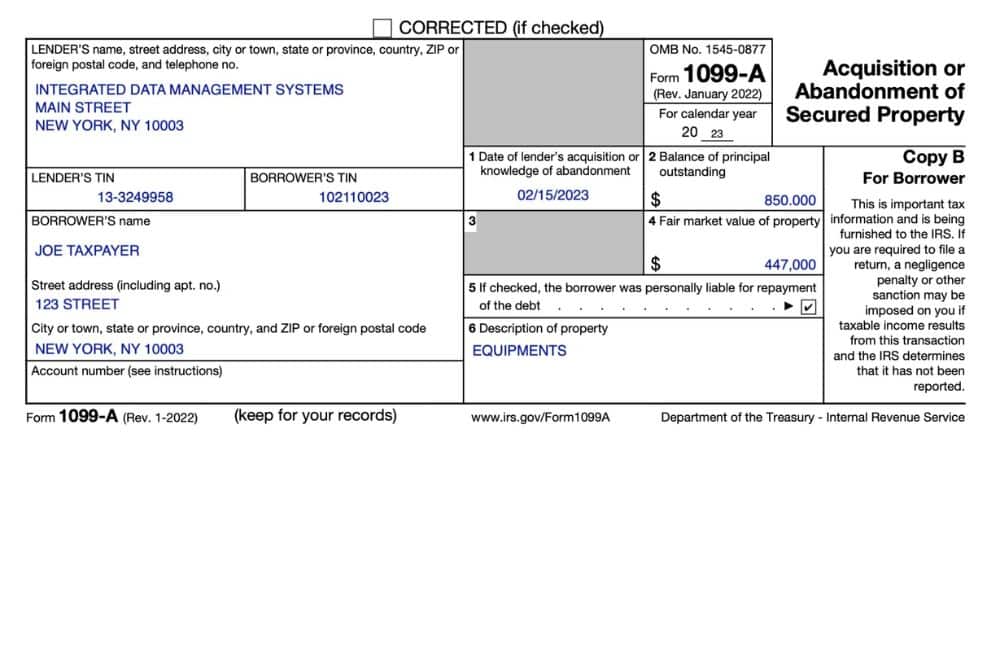
A 1099 is an information return. The payer (a business, bank, brokerage, or government agency) fills it out and sends a copy to you and a copy to the IRS. The form documents that money changed hands, and the IRS uses it to cross-check what you report on your tax return.
Three important rules apply to nearly every 1099:
- Payers must issue a 1099 only when the amount meets certain thresholds (often $600 for services, but lower for some types).
- You are responsible for reporting the income even if you never receive the form.
- The IRS receives a matching copy, so mismatches can trigger notices or audits.
Because there is no employer withholding taxes on most 1099 income, you generally owe both income tax and self-employment tax on the net amount. This is the single biggest adjustment for first-time freelancers and side-gig earners.
Main Types of 1099 Forms You Might Receive
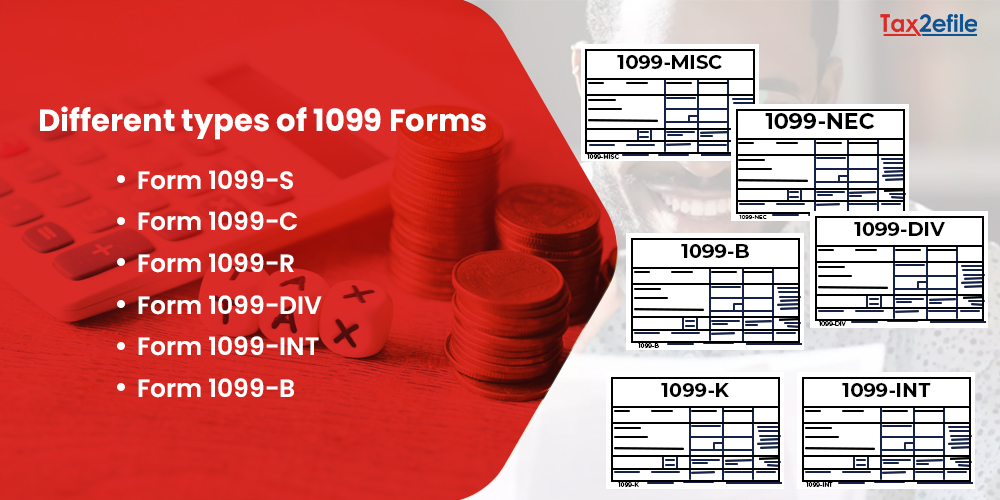
There are more than 20 official 1099 variants, but most taxpayers only ever see a few. Here are the ones that matter most in practice.
1099-NEC: Nonemployee Compensation
This is the form most freelancers and independent contractors care about. If a business paid you $600 or more for services as a non-employee (freelance work, consulting, rideshare driving, design, writing, contracting), they should issue Form 1099-NEC.
Key details:
- Box 1 shows the total nonemployee compensation.
- The deadline for payers to file and send it is January 31, including both copies to recipients and to the IRS.
- You report this income on Schedule C (Profit or Loss from Business) if self-employed, and on Schedule SE for self-employment tax.
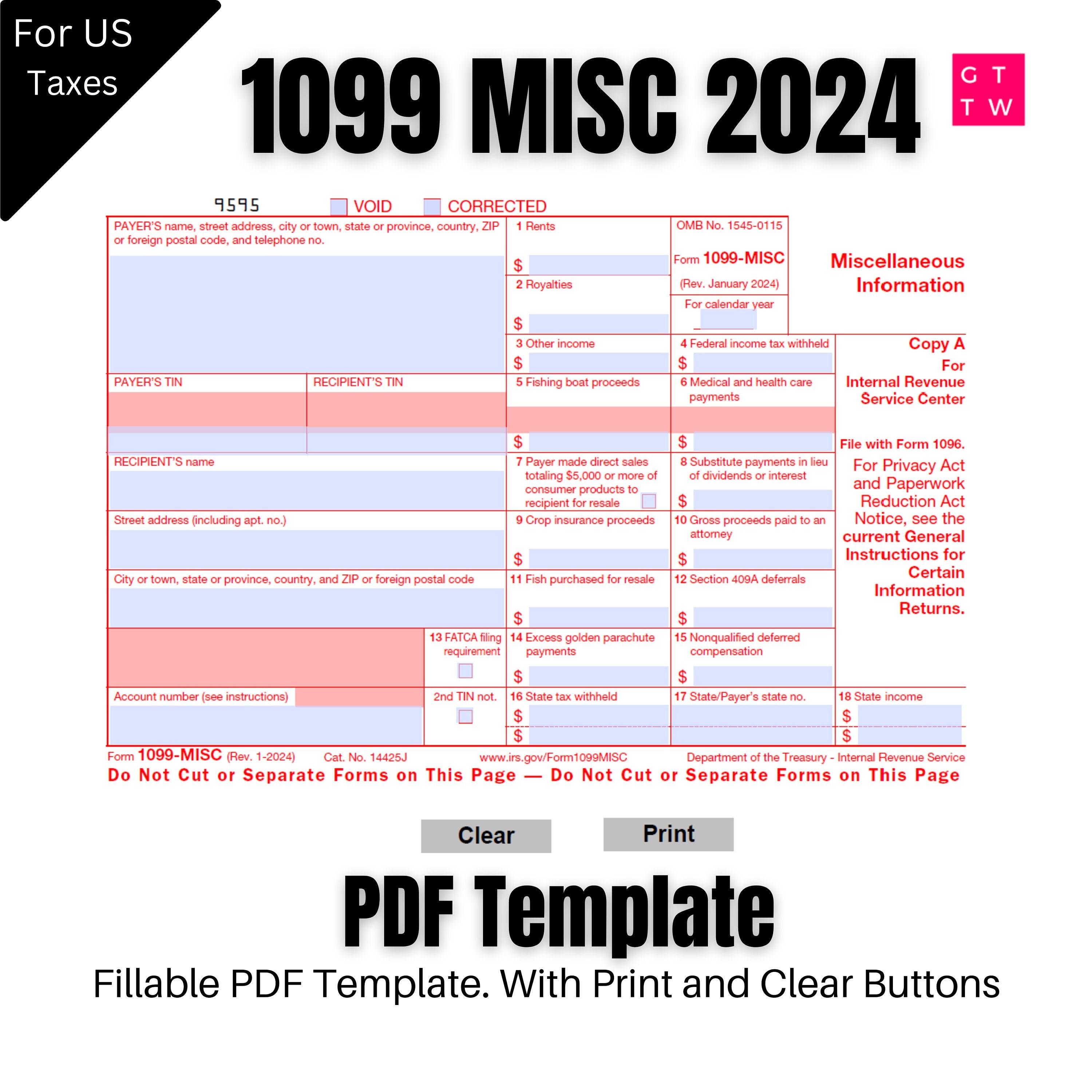
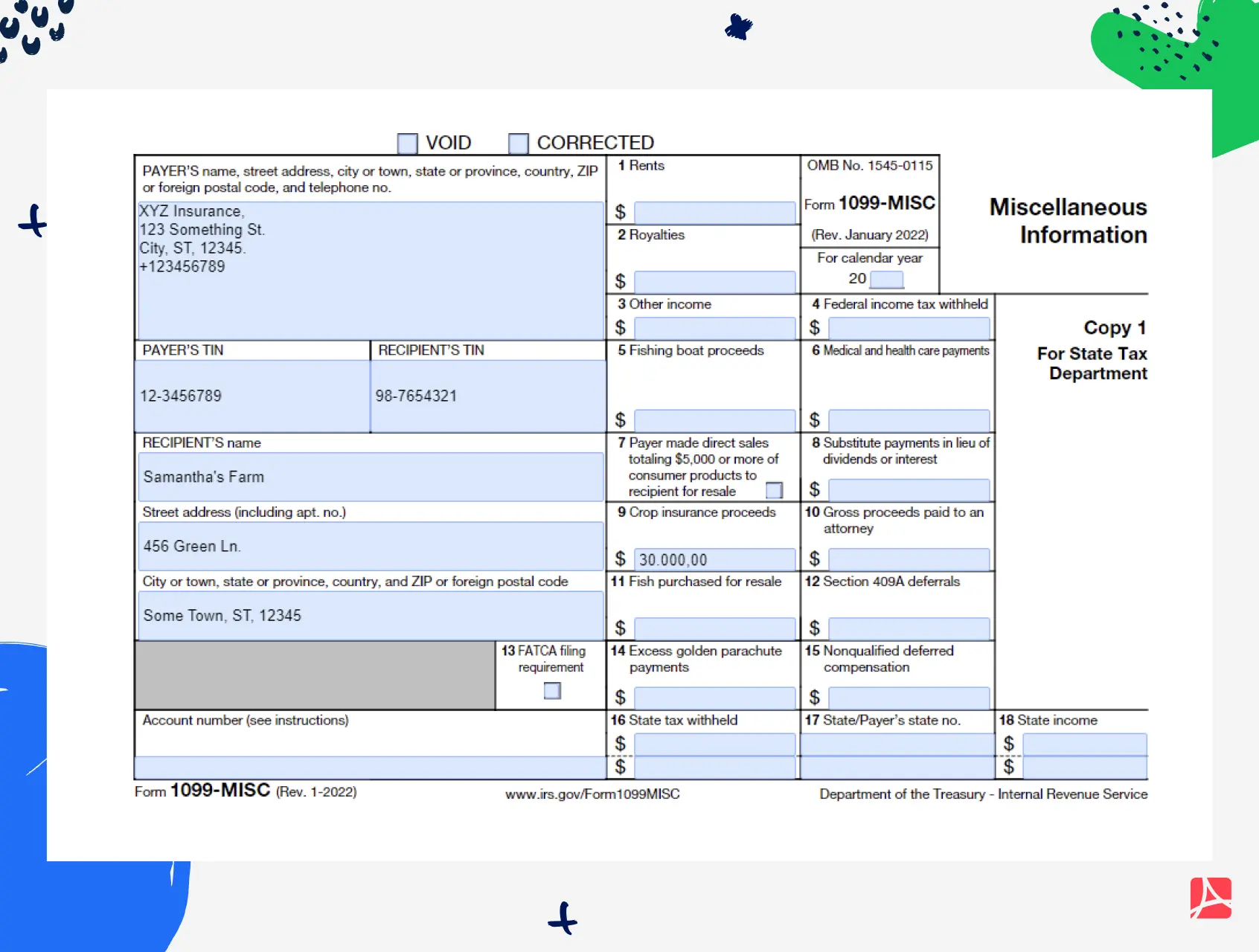
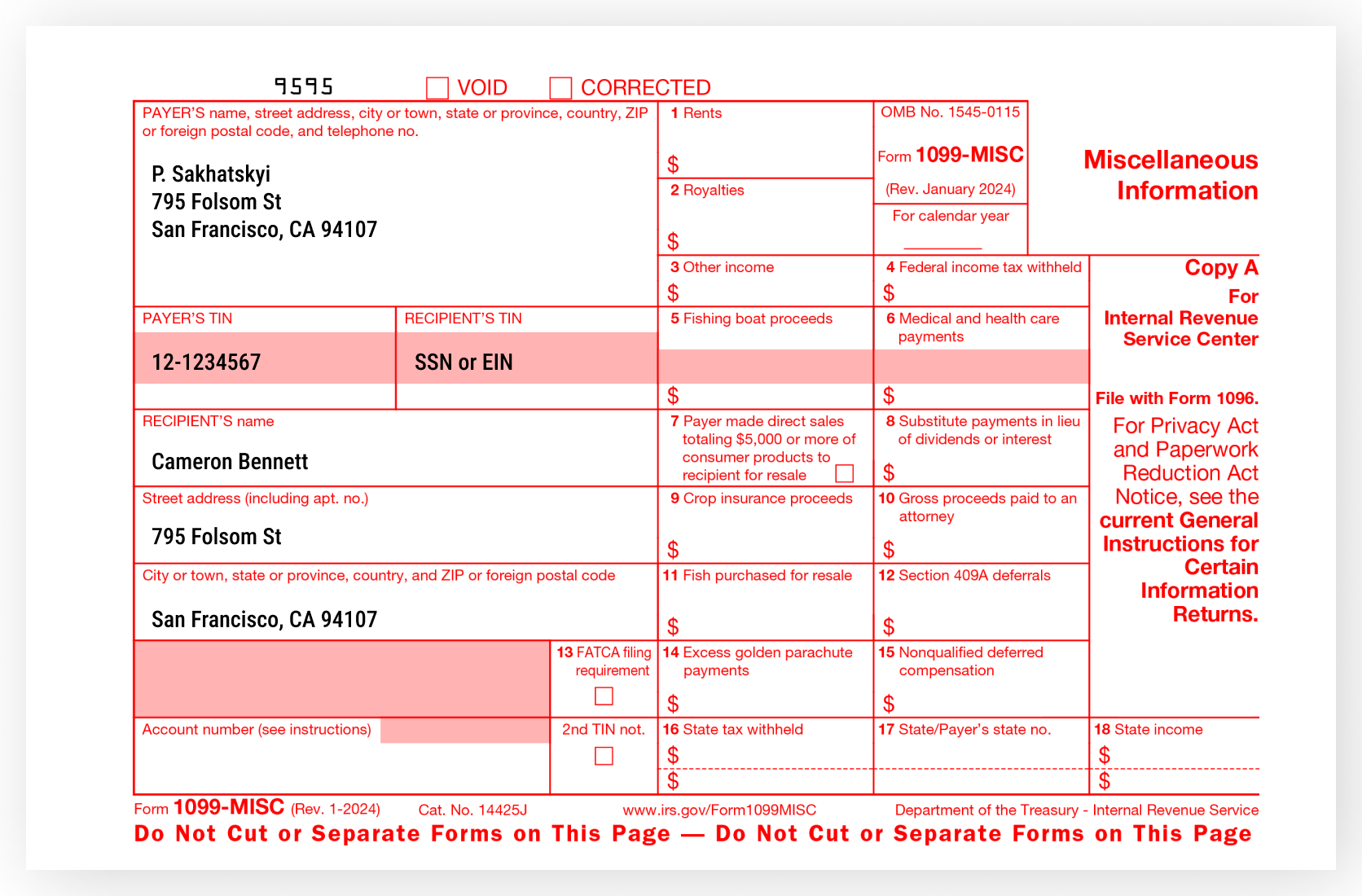
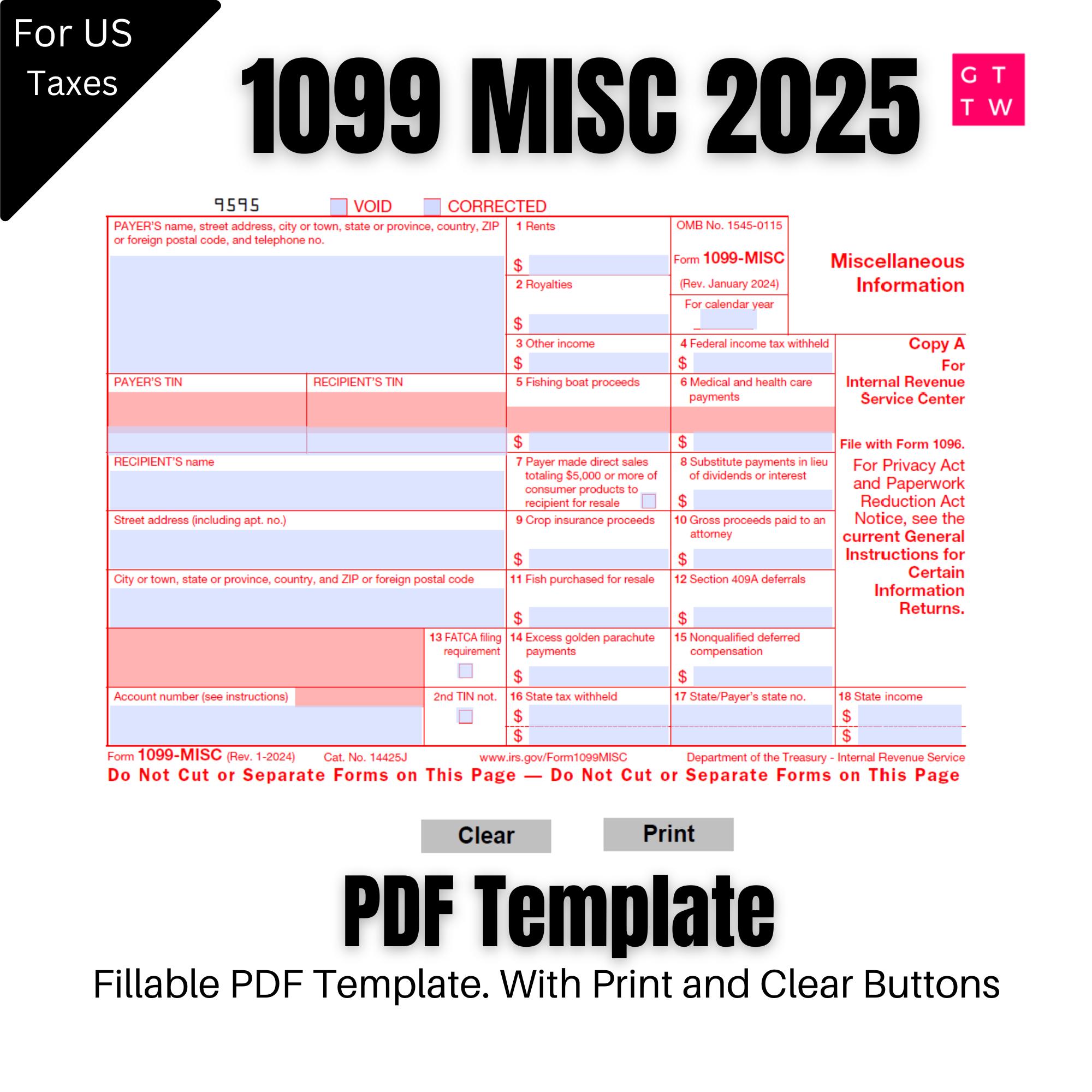
1099-MISC: Miscellaneous Income
1099-MISC still exists and covers several categories that don't fit the NEC box, including:
- Rents (Box 2)
- Royalties (Box 3)
- Other income (Box 8) such as prizes, awards, and certain damage settlements
- Medical and health care payments (Box 6)
- Crop insurance proceeds (Box 9)
If you earn passive rental income or receive a settlement, this is the form you'll see.
1099-INT: Interest Income
Banks, credit unions, and brokerages issue 1099-INT when you earned $10 or more in interest during the year. This includes savings accounts, CDs, money market accounts, and some peer-to-peer lending platforms.
1099-DIV: Dividends and Distributions
Brokerages send 1099-DIV for taxable dividends and capital gain distributions from stocks, mutual funds, and ETFs. Even small dividend totals must be reported.
1099-B: Proceeds from Broker Transactions
Every time you sell a stock, bond, mutual fund, or cryptocurrency held in a brokerage account, you receive a 1099-B summarizing the proceeds. Your brokerage also reports cost basis for covered lots, which makes gain and loss calculation much easier.
1099-R: Distributions from Pensions, Annuities, IRAs
Retirement plan administrators issue 1099-R when you take money out of an IRA, 401(k), pension, or annuity. The taxable portion is reported on your return, and early withdrawals may trigger a 10% additional tax.
1099-G: Government Payments
State tax agencies send 1099-G to report unemployment compensation, state tax refunds, and certain other government payments. Unemployment income is fully taxable federally and reported on Schedule 1.
1099-K: Payment Card and Third-Party Network Transactions
Apps and platforms that process payments issue 1099-K (for example, PayPal, Venmo, Stripe, Etsy, eBay). Reporting thresholds have changed in recent years, but the form is now common for sellers and creators earning through online platforms.
Key Deadlines for the 1099 Tax Form
Deadlines vary by form and by direction:
- To recipient: Most 1099 forms must reach you by January 31 of the following year. 1099-B and certain others allow a February 15 date.
- To IRS (paper): Generally January 31 or February 28, depending on form and filing method.
- To IRS (electronic): Generally March 31.
- Corrected forms: Issuers can send corrected 1099s later; if you receive one, file an amended return only when the change is material.
If a payer misses the deadline, you can still report the income using your own records. Don't wait for the form to arrive if you already know the amount.
How to Report 1099 Income on Your Tax Return
Step 1: Gather Every Form and Statement
Collect all 1099s plus year-end summaries from each payer. Watch for cost basis corrections on 1099-B forms; updated basis often arrives in February and can change your gain or loss.
Step 2: Match Income to the Right Schedule
- 1099-NEC, 1099-K, self-employment portions of 1099-MISC: Schedule C and Schedule SE.
- Interest (1099-INT), dividends (1099-DIV), capital gains (1099-B): Schedule B and Schedule D as needed.
- Retirement distributions (1099-R): Form 1040, lines for IRA and pension income.
- Unemployment (1099-G): Schedule 1, line 7.
- State tax refund (1099-G): Schedule 1 if you itemized the prior year.
Step 3: Track and Deduct Business Expenses
If you received 1099-NEC or 1099-K for self-employment income, ordinary and necessary expenses reduce your taxable profit. Common deductible categories:
- Home office (exclusive, regular use)
- Health insurance premiums for self-employed
- Retirement contributions (SEP-IRA, Solo 401(k))
- Vehicle mileage, travel, software, supplies
- Continuing education and professional fees
Step 4: Plan for Self-Employment Tax
Self-employment tax is 15.3% on net earnings, covering Social Security and Medicare. You can deduct half of it as an adjustment to income. Quarterly estimated payments (Form 1040-ES) are typically required if you expect to owe $1,000 or more at filing time.
Practical Tips to Avoid Problems With 1099 Forms
Verify Your Name, TIN, and Address
Form errors are common. Confirm your Social Security number, business name, and address on every 1099. A wrong TIN can delay processing or cause your return to be rejected.
Don't Ignore Small Amounts
A $25 interest payment still counts. Underreporting small items on a tax return is one of the most common IRS audit triggers because it is easy to detect.
Keep Records for at Least Three Years
The IRS has three years to audit a return, but six years if income is underreported by 25% or more. Digital copies of statements, receipts, and mileage logs are inexpensive insurance.
Reconcile Brokerage Statements
1099-B totals often need adjusting for wash sales, return of capital, and basis corrections. Many tax software products handle this, but review the final numbers.
Set Aside 25% to 30% of Income
A common rule of thumb: set aside roughly one-quarter to one-third of net 1099 income for federal taxes, plus another 5% to 10% for state taxes where applicable. This avoids the surprise of a large balance due each April.
Know When You Should Not Receive a 1099
Personal payments (a friend reimbursing you for dinner, a gift from a family member, or transfers between your own accounts) are not 1099 income. If something looks wrong on a form, contact them before reporting questionable income.
Common Mistakes to Watch For
- Reporting gross 1099 income without deducting business expenses.
- Forgetting self-employment tax on net earnings of $400 or more.
- Missing quarterly estimated payments and owing underpayment penalties.
- Double-counting income that appears on more than one 1099 (rare but possible with brokerage rollovers).
- Ignoring state filing requirements; many states require a copy of your federal return plus state-specific schedules.
When to Get Help
If you receive more than a handful of 1099 forms, operate a business with inventory or employees, sold investments with complex basis, or had a major life change (marriage, home purchase, retirement), consider working with a CPA or enrolled agent. The cost of professional preparation is usually modest compared with the cost of mistakes on a return with multiple income types.
The 1099 tax form is ultimately just a paper reflection of money you already received. Your job is to translate that information into an accurate return, claim the deductions you are entitled to, and pay the tax you owe on time. A little organization through the year turns tax season from a scramble into a routine filing.

:max_bytes(150000):strip_icc()/1099-DIV2022-d0ba6b5ac8f74b89bf8cb5a6babe705c.jpeg)