Boston Tattoo Company Somerville: What to Know
Boston Tattoo Company operates out of Somerville and has become a go-to spot for anyone looking to get inked in the Greater Boston area. Whether you're a first-timer nervous about the chair or a collector tracking down a specific artist, knowing how the studio works before you walk in saves time, money, and stress. This guide covers what the shop offers, how to book, what to expect on price, and how to prepare so your session goes smoothly.
Where the studio is and why location matters
Boston Tattoo Company sits in Somerville, just outside Cambridge and a short ride from downtown Boston. Somerville's Davis Square and surrounding neighborhoods are walkable from the studio for anyone in the metro area, which makes it accessible without needing a car.
Getting there by transit
- The MBTA Red Line and several bus routes stop within walking distance.
- Street parking is available but can be tight during evenings and weekends.
- If you're driving in from outside the city, give yourself buffer time for traffic on the McGrath Highway corridor.
Picking a studio close to public transit is underrated. Tattoo sessions can run two to six hours, and you don't want to be juggling a parking meter or a rideshare surge the whole time.
Style specialties to know about
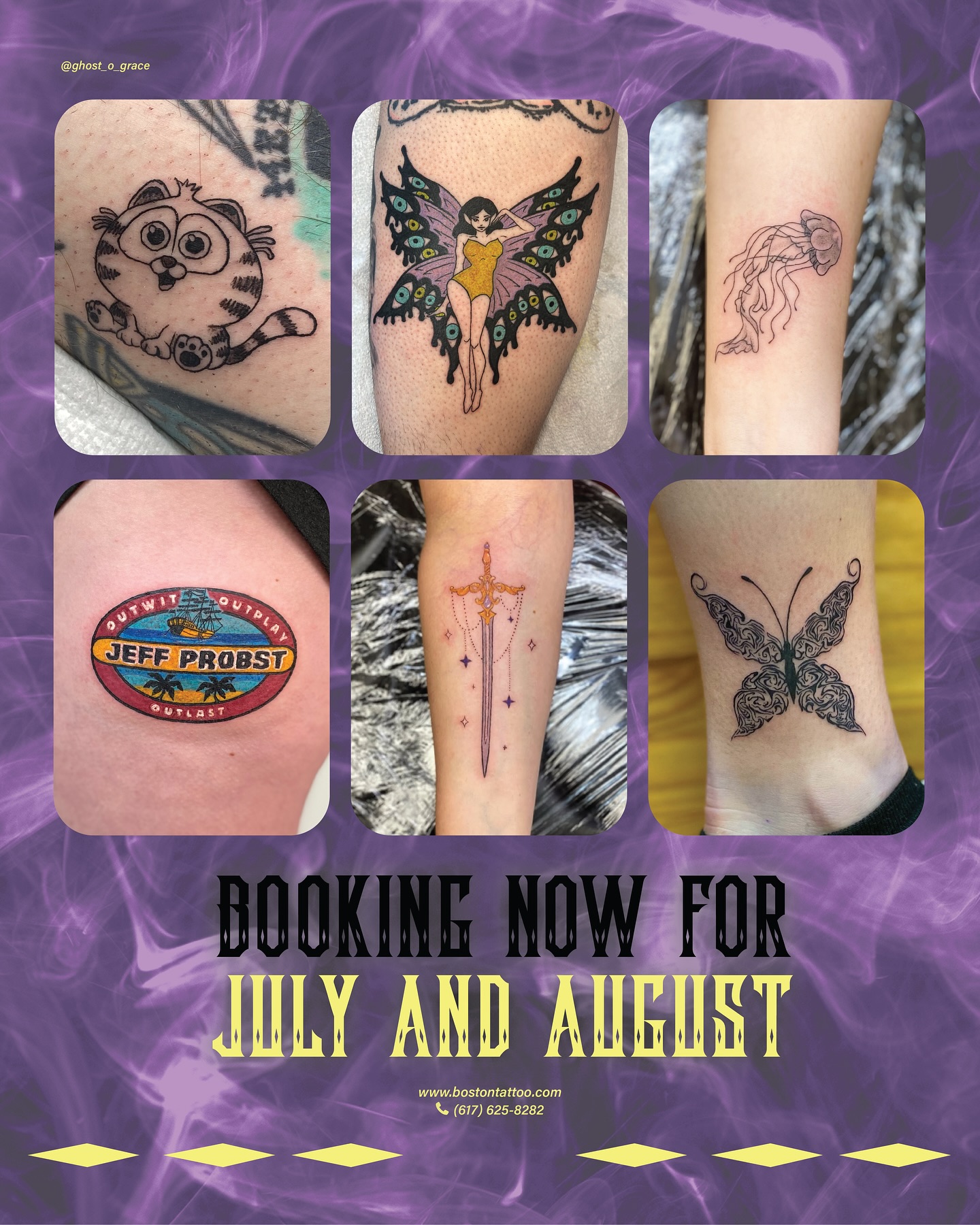
Most shops lean one of two ways: flash-heavy walk-in friendly, or appointment-driven custom work. Boston Tattoo Company does both, which is part of why the booking queue moves the way it does.
Common styles clients ask for
- Black and grey realism: portraits, religious imagery, and large-scale sleeves.
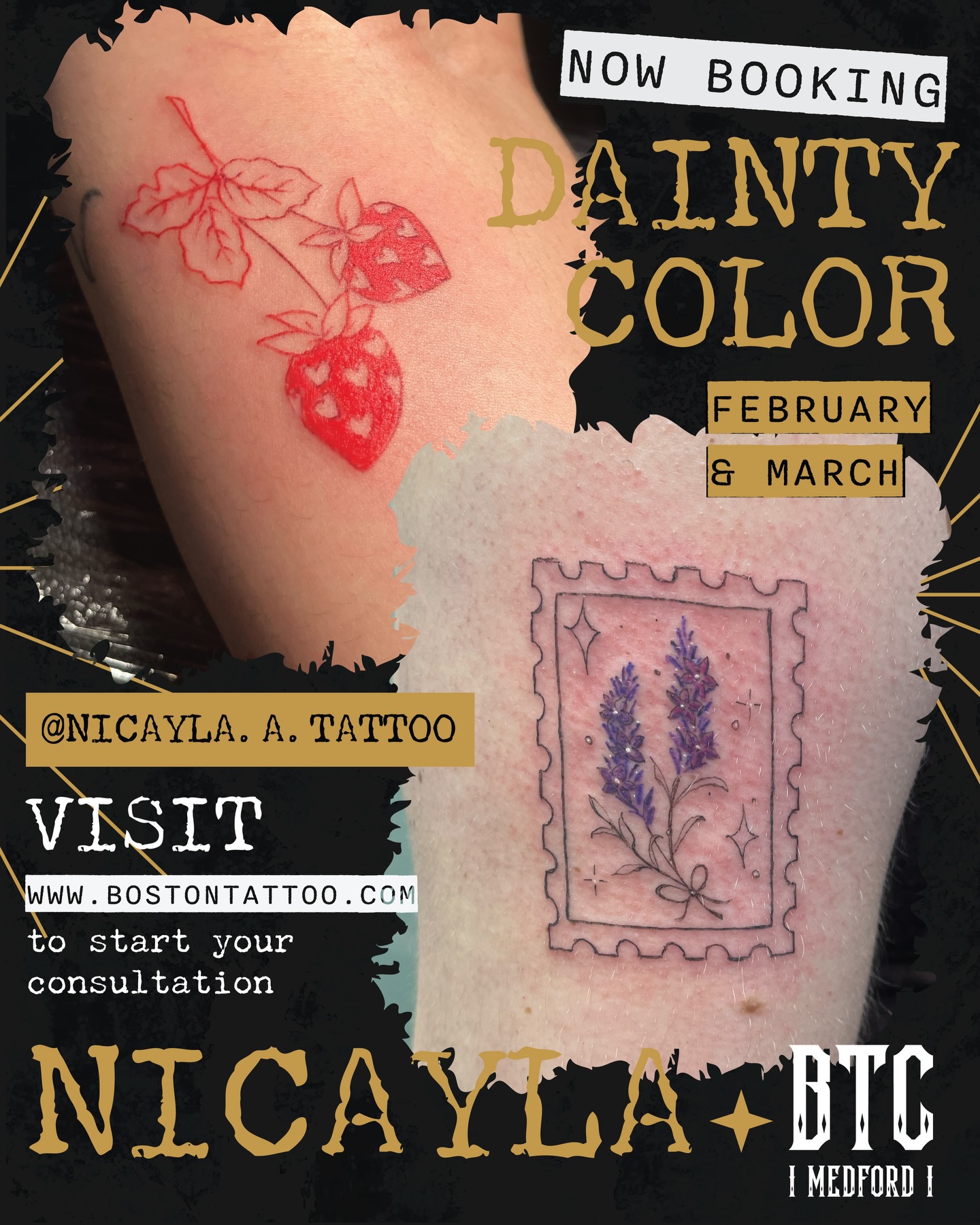
- Fine line and minimalism: small symbols, single-needle pieces, and delicate script.
- Traditional American: bold lines, saturated color, classic iconography.
- Neo-traditional and illustrative: heavier outlines, painterly color, custom compositions.
- Cover-ups and rework: assessing old ink and designing something new on top.
If you have a reference image, bring it. If you have a vague concept and no reference, that's where the consultation step matters.
How the booking process actually works
Booking is the part that trips people up the most, so it's worth walking through it step by step.
Step 1: Initial inquiry
Most clients start by emailing or filling out the studio's online form. Include the size, placement on the body, rough concept, and any reference images. Vague emails get vague replies, so specifics help. Mention if you want color or black and grey, approximate size in inches, and where on the body you want it.
Step 2: Artist match and consultation
The studio routes your inquiry to the artist whose portfolio best fits your concept. That artist follows up with questions, sometimes schedules an in-person consult, and gives a rough estimate. Consultations are usually free, but confirm when you book.
Step 3: Deposit
A deposit secures your appointment and goes toward the final cost. Deposits are typically non-refundable because the artist blocks out time and starts prepping your design. Read the cancellation policy before sending money.
Step 4: Design and revision
The artist drafts the design, sends a preview, and you request changes. Most studios allow one or two rounds of revision. Don't expect unlimited tweaks — that's what eats into artists' time across the whole queue.
Step 5: The session
Show up rested, fed, and hydrated. Wear something that gives the artist access to the placement without you needing to fully undress. Leave valuables at home.
Pricing: what affects the final number
Tattoo pricing has two common structures: hourly rates or flat rates per piece. Boston-area studios tend to charge hourly, and Boston Tattoo Company follows that model.
Factors that move the price
- Size: Larger pieces take longer and use more ink and supplies.
- Detail: Fine line work and photorealism require slower, more careful needlework.
- Color vs. black and grey: Color sessions often run longer because of layering and saturation.
- Placement: Ribs, hands, feet, and inner bicep hurt more and sometimes take longer because the skin moves.
- Artist experience: Senior artists with waitlists charge more than newer artists still building a book.
For a rough sense, small pieces in the Boston market typically start around $120 to $200. Medium work lands in the $300 to $800 range. Full sleeves run $1,500 to $4,000+ depending on detail and artist. Your artist's estimate is the number that matters for your specific piece.
Walking in versus booking ahead
Walk-ins are possible, but custom work almost always requires an appointment. Here's how to decide which route fits.
Walk in if:

- You want a small, simple piece or a pre-drawn design from the flash wall.
- You're flexible on timing and willing to wait if artists are busy.
- You don't have a strong opinion on which artist does the work.
Book ahead if:
- You have a specific concept or reference image.
- You want a particular artist based on their portfolio.
- The piece is medium to large, or involves color packing and detail.
Don't walk in expecting a custom half-sleeve. Studios that try to accommodate that end up with rushed work and unhappy clients.
Preparing for your session
The prep work you do the day before and day of affects how the session feels and how the tattoo heals.
The day before
- Moisturize the area you'll be tattooed. Hydrated skin takes ink better than dry skin.
- Avoid alcohol for at least 24 hours. It thins your blood and makes you bleed more.
- Get a full night's sleep. Fatigue makes pain feel worse.
The morning of
- Eat a real meal an hour or two before. Low blood sugar plus adrenaline is a bad combo.
- Bring water and a snack. Long sessions need fuel.
- Wear loose, dark clothing that won't rub the fresh tattoo on the way home.
If you're on blood thinners, have a medical condition that affects healing, or are pregnant, mention it during booking. The studio may require doctor's note clearance.
Aftercare that actually works
Aftercare is where good tattoos become great tattoos. Sloppy aftercare is how people end up with blown-out lines or patchy color.
First 48 hours
- Leave the bandage on for the time your artist specifies (usually 2 to 24 hours).
- Wash gently with unscented soap and lukewarm water.
- Pat dry. Don't rub.
- Apply a thin layer of the aftercare product your artist recommends.
First two weeks
- Wash twice a day and reapply aftercare as directed.
- Avoid soaking — no baths, pools, hot tubs, or swimming.
- Skip the gym for the first few days if the session was long or on a high-movement area.
- Don't pick at flakes or scabs. Let them fall off naturally.
Long term
- Use SPF on the tattoo whenever it's exposed. UV fades ink faster than anything else.
- Moisturize. Healed tattoos still benefit from lotion.
Common mistakes first-timers make
Most problems at tattoo studios come from the same handful of avoidable mistakes. Skip these and you'll have a smoother experience.
Going too small on a detailed idea
Fine detail doesn't survive at thumb-sized scale. If you want a portrait, expect at least palm-sized real estate. If you want a name in script, an inch works. If you want a name with a small graphic, give it room to breathe.
Picking placement for visibility only
A wrist tattoo is fine until you have a corporate job interview. Think about how your career, gym habits, and clothing choices interact with the placement. Tattoo visibility preferences change every decade.
Bargaining on price
Asking for a discount on custom work signals that you don't understand what goes into it. Artists pay for studio space, supplies, taxes, insurance, and their own training time. The price is the price.
Ignoring portfolio fit
Every artist has strengths. If you want photorealism, book a photorealism artist. If you want clean traditional, book a traditional artist. Picking an artist because they're available rather than because they do the work you want leads to disappointment.
Is Boston Tattoo Company a good fit for you?
For most people in the Greater Boston area looking for a custom tattoo from an experienced artist, Boston Tattoo Company in Somerville is a solid option worth booking a consultation with. The studio's mix of walk-in flash and appointment-based custom work means almost anyone can find a path in.
The best way to know if it's the right shop for you is the same way you'd vet any major purchase: look at recent healed photos (not just fresh Instagram shots), read verified reviews, and have a consultation. If the artist listens, asks good questions, and references work similar to what you want, you're in the right place. If they're rushing you or dismissive of your concept, keep looking.
Get the tattoo you actually want, from an artist who actually does that work. Everything else is logistics.