Simple Rent Agreement: A Complete Guide for 2025
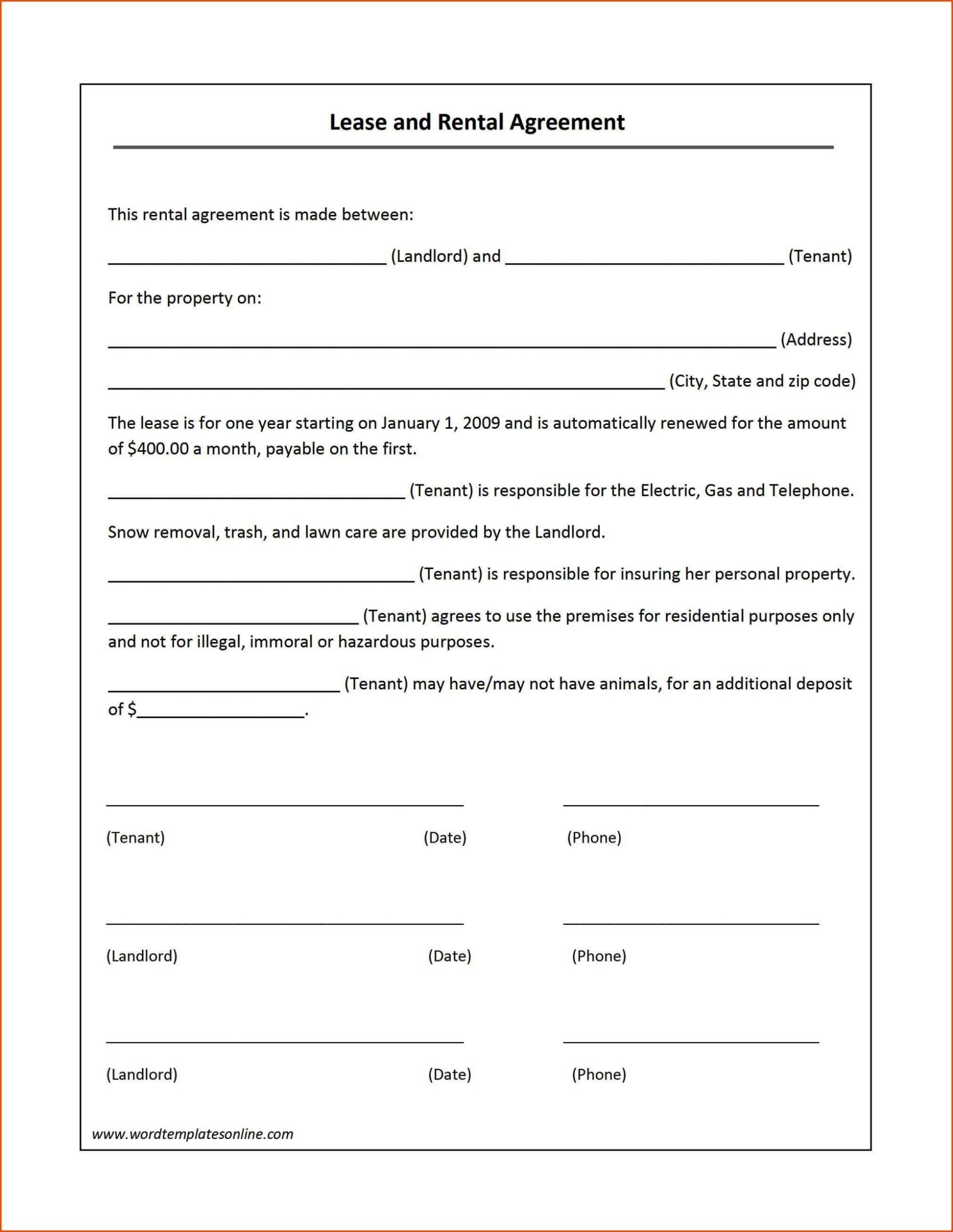
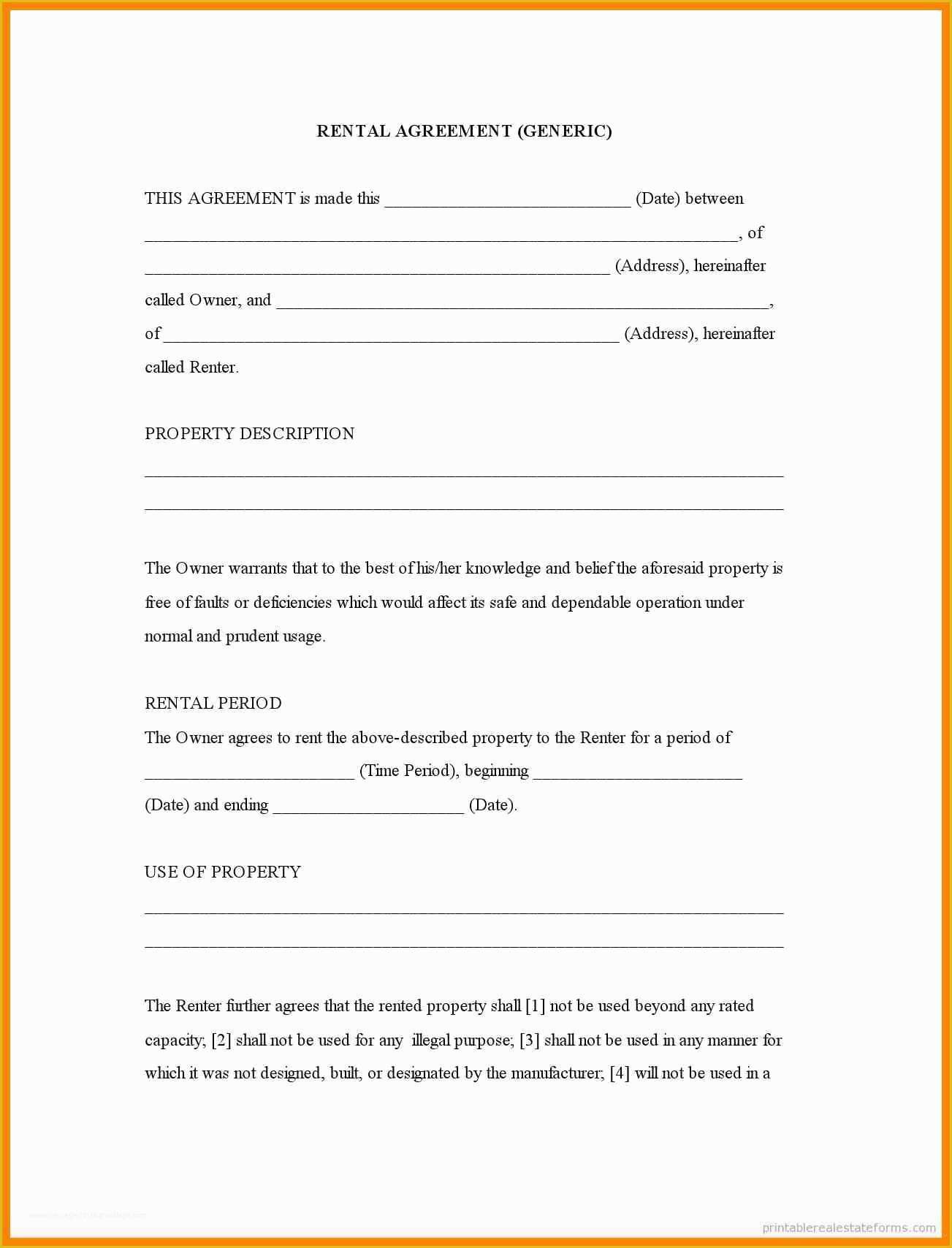
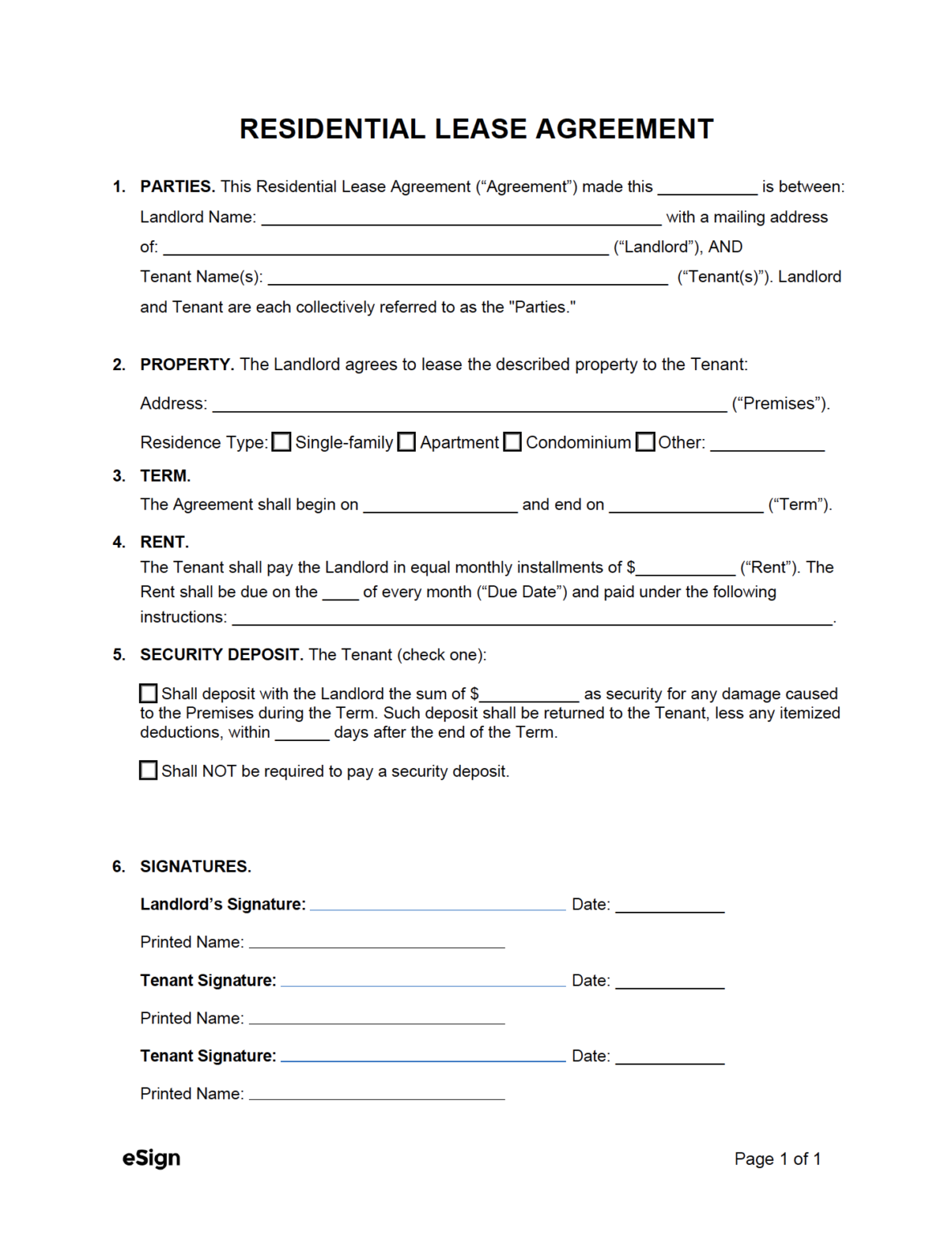
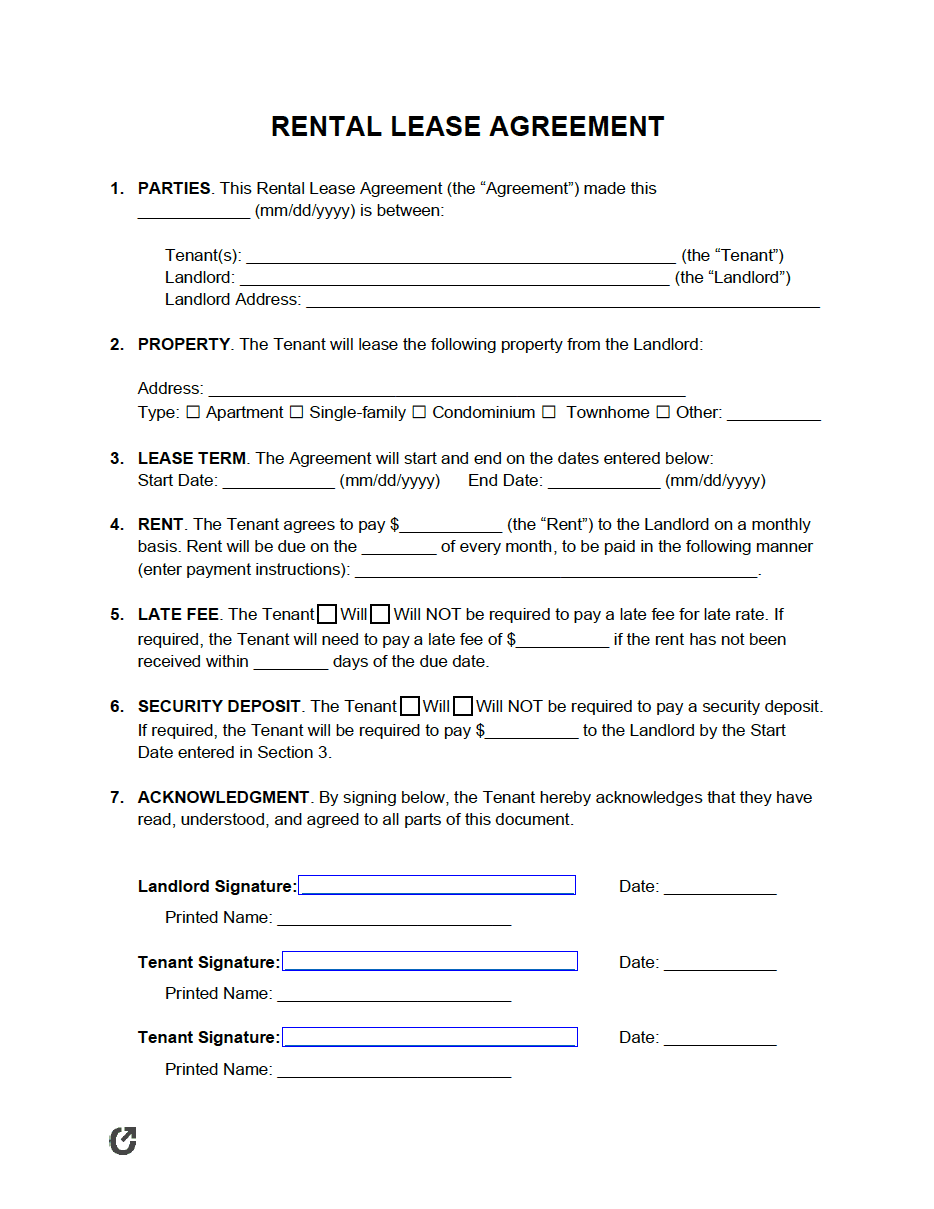
A simple rent agreement is a written contract between a landlord and a tenant that records the basics of a rental: who is renting, what is being rented, for how long, and for what price. It does not need to be long, complicated, or drafted by a lawyer to be useful. In most jurisdictions, a clear one- to two-page agreement signed by both parties is fully enforceable and is the single most effective tool for preventing disputes.
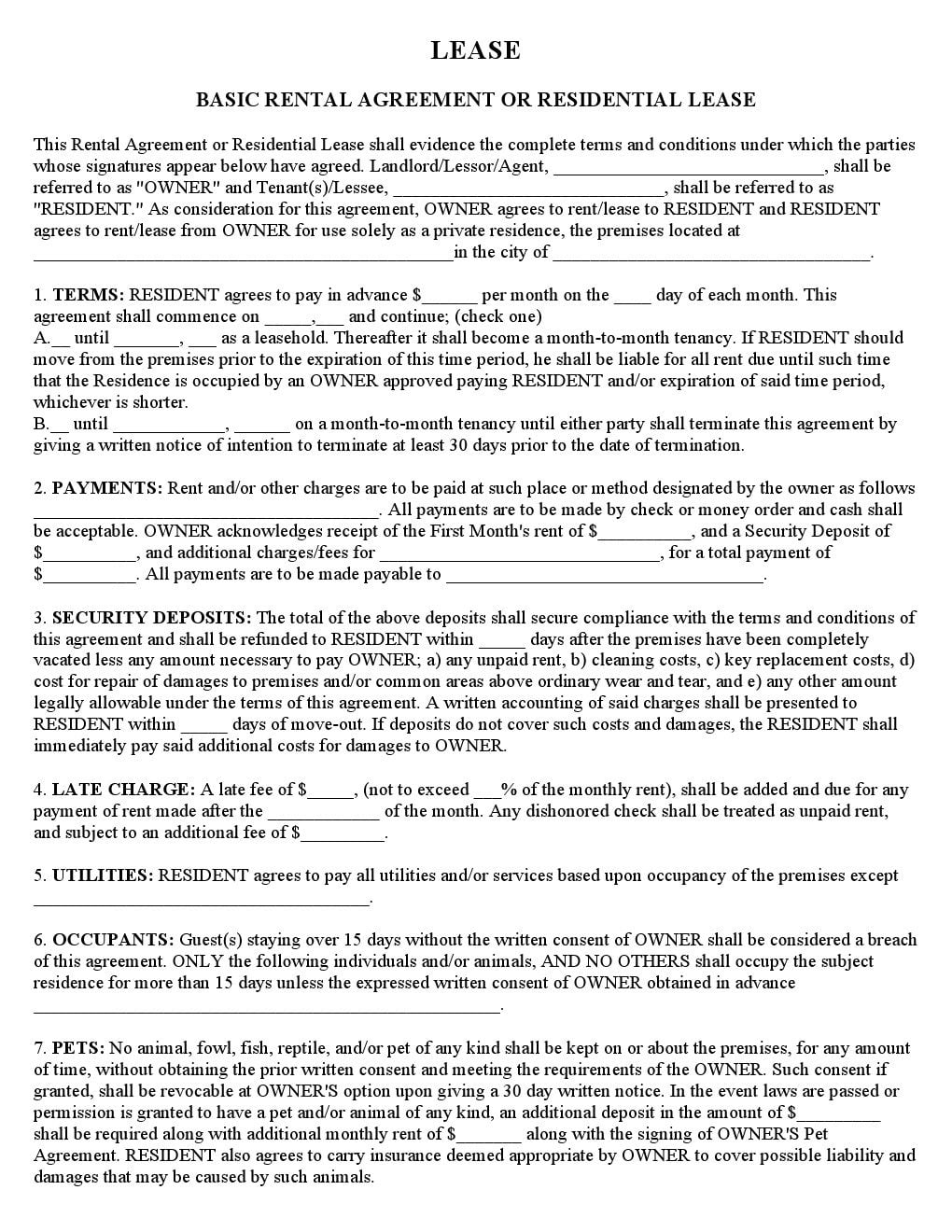
This guide walks through what a simple rent agreement must contain, optional clauses worth considering, a step-by-step method to draft one quickly, and the common errors that turn small misunderstandings into expensive court cases.
Why a Written Agreement Matters
Verbal deals are common between friends, family members, and small landlords. They are also the leading cause of disputes over deposits, repairs, and move-out terms. A written agreement does not guarantee a smooth tenancy, but it gives both parties a single reference document when memories differ.
What a written agreement actually does
- Defines the legal relationship as a tenancy rather than a license or informal arrangement.
- Sets a clear start and end date, which determines notice periods and eviction rights.
- Documents the rent amount, due date, and accepted payment methods.
- Records the condition of the property at move-in, protecting both sides on the security deposit.
- Establishes house rules, pet policies, and guest limits in writing.
Core Elements Every Simple Rent Agreement Must Include
Even the shortest enforceable rental contract covers the same handful of items. Skip any of these and you create ambiguity that tends to surface at move-out, when the cost of fixing it is highest.
1. Landlord and tenant names
Use full legal names as shown on government ID. If the landlord is a company, list the legal entity name and the signatory. If there are multiple tenants, list each one. Joint and several liability, meaning each tenant can be held responsible for the full rent, is worth adding when more than one person signs.
2. Property description and what is included
Identify the rental unit by street address, unit number, and any distinguishing features (floor, side of the building). List what comes with it: parking spot number, storage cage, appliances, furnished items. A short attachment or inventory list is usually enough.
3. Term: start date and end date
State the lease start date and either an end date for a fixed term or language that the tenancy continues month-to-month. A fixed term provides stability and clear end conditions; month-to-month provides flexibility. Each is legitimate, but they are not interchangeable, and your agreement must say which one applies.
4. Rent amount, due date, and late fees
Specify the monthly rent, the day it is due (the first of the month is standard), the acceptable payment method, and where it is paid. If you charge a late fee, state the amount, the grace period if any, and when it applies. Late fees that are not in the agreement are difficult to enforce.
5. Security deposit amount and conditions
State the deposit, where it is held, what it can be used for, and the timeline and conditions for its return. Many jurisdictions cap deposit amounts and require interest-bearing accounts or written notice of the bank where funds are held. Check your local rules before finalizing this section.
6. Maintenance and repairs
Spell out who handles what. A common split: tenant keeps the unit clean and reports issues promptly; landlord maintains structural elements, plumbing, heating, and major appliances. Include a reasonable timeframe for non-emergency fixes (often 14 to 30 days) and an emergency contact procedure.
7. House rules
Cover the items most likely to cause friction: pets, smoking, guests, noise hours, parking, and alterations to the unit (painting, mounting TVs, drilling). Keep rules objective and enforceable. Vague rules like "reasonable noise" are hard to apply; specific quiet hours like "10 p.m. to 8 a.m." are not.
Optional Clauses Worth Adding
These are not required, but each solves a specific, common problem. Add only the ones that match your situation.
Utilities and shared costs
Clarify which utilities the tenant pays directly and which are included in rent. For multi-tenant buildings, allocate shared costs (water, trash, common-area electricity) by a clear method, such as a flat fee per unit or a stated percentage.
Subletting and replacement tenants

State whether subletting is allowed and, if so, whether landlord approval is required. If you want to allow it, require written request a set number of days before the move and a credit check on the proposed subtenant.
Right of entry
Most jurisdictions require landlords to give 24 to 48 hours' notice before entering, except in emergencies. Reproduce your local rule in the agreement so neither side has to look it up later.
Renewal and notice to vacate
State how much notice is required to end a month-to-month tenancy (commonly 30 or 60 days) and how it must be delivered (in writing, by email, by certified mail). Decide whether the lease auto-renews or requires a new signature.
Early termination
If you want to allow it, define the conditions and any fee. A common approach is one to two months' rent as an early-termination fee, plus rent until the unit is re-rented or the term ends, whichever is sooner. Military orders, domestic violence, and uninhabitable conditions are categories where local law may override your clause.
How to Write a Simple Rent Agreement in Five Steps
- Confirm local law first. Look up your city or state's landlord-tenant statutes for deposit caps, required disclosures (lead paint in older U.S. properties, for example), and any mandatory clauses.
- Start from a reputable template. Use a template from a local bar association, a tenant union, or a government housing office rather than a generic online form. Local rules change; national forms often lag.
- Fill in the specifics. Replace every blank with concrete details. Avoid phrases like "as needed" or "reasonable" when a number works.
- Attach supporting documents. Move-in inspection checklist, rules and regulations, and a separate addendum for anything unusual (pet deposit, HOA rules, shared-driveway easements).
- Sign, date, and exchange copies. Both parties get a signed copy. Keep the inspection checklist attached to each copy.
Common Mistakes That Lead to Disputes
Most landlord-tenant conflicts come from a small set of recurring oversights. Avoiding these puts you ahead of the average rental.
Vague language
"Tenant will keep the property clean" is unenforceable. "Tenant will sweep floors weekly and remove trash on pickup day" is enforceable. Specifics beat principles every time.
No move-in inspection
Without a written and photo-documented condition report, security-deposit fights default to the tenant's word against the landlord's. A simple one-page checklist with photos dated the move-in day resolves most of these disputes.
Skipping local disclosures
Many jurisdictions require specific notices: flooding history, mold, bed bugs, shared metering, or rental licensing. Missing a required notice does not void the lease, but it can shift penalties to the landlord and, in some places, bar eviction until cured.
Mixing fixed-term and month-to-month language
A clause that says the lease "runs month-to-month but ends June 30" is internally contradictory and unenforceable. Pick one structure and stick to it.
No delivery method for notices
If the agreement does not say how legal notices are delivered, disputes arise over whether the tenant was properly notified of a rent increase or non-renewal. Specify email, hand delivery, or certified mail, and what counts as received.
When a Simple Agreement Is Not Enough
A standard simple rent agreement works for the typical residential rental. It does not cover commercial leases, which involve use clauses, build-out obligations, and percentage rent. It also does not replace specialized housing such as accessory dwelling units in jurisdictions with separate ADU rules, or rent-controlled units where lease terms are constrained by law.
If the property is held in a trust, owned by an LLC, or part of an estate, the signing party should be the legal owner of record, and the document should reference that authority. When in doubt on ownership, estate, or commercial issues, a short consultation with a local real-estate attorney is cheaper than litigating a defective lease later.
A Quick Checklist Before Signing
- Full names and contact information for both parties.
- Exact property address and what is included.
- Start and end dates, or month-to-month language.
- Rent, due date, payment method, and late-fee terms.
- Security deposit amount, holding location, and return conditions.
- Maintenance responsibilities and timeframes.
- House rules on pets, smoking, guests, noise, and alterations.
- Required local disclosures attached.
- Signed move-in condition report with photos.
- Two signed copies, one for each party.
A simple rent agreement is not a barrier to a friendly tenancy; it is the reason most friendly tenancies stay friendly. Keep it short, keep it specific, and keep a signed copy.